
Simple Cleaning Habits Help Lower Germs and Support Safer Workdays
Sanitation services help create a healthier workplace by lowering germs, cutting down on cross-contact, and keeping shared spaces cleaner every day. When surfaces, restrooms, break rooms, and touchpoints stay clean, workers can feel better and focus more on the job. In busy buildings, this kind of routine care helps limit the spread of illness and supports a safer space for staff and visitors.
Quick Answer
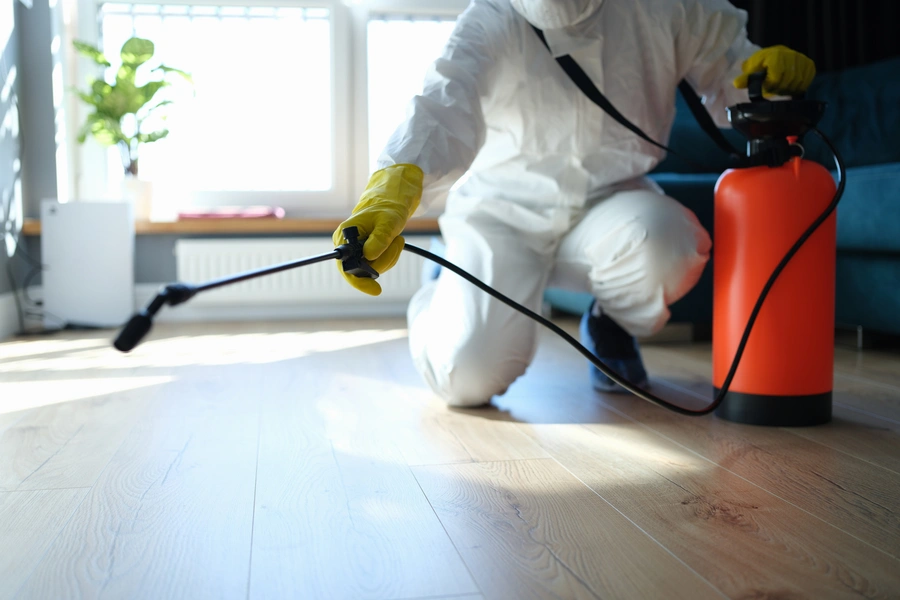
A healthy workplace starts with steady cleaning and disinfecting in the places people use most. sanitation services focus on high-touch areas like door handles, desks, light switches, sinks, and shared tools. This work helps reduce bacteria, viruses, dust, and grime that can build up fast during a normal workweek. Clean spaces also support better morale because people tend to feel more at ease in an orderly setting.
What You Need Before Starting
Before setting up a cleaning plan, it helps to look at how the workplace is used each day. A small office has different needs than a warehouse, clinic, school, or retail store. Foot traffic, shared equipment, eating areas, and restroom use all shape the best cleaning schedule. The service category keyword may vary by business type, but the goal stays the same: stop germs from spreading and keep people safer.
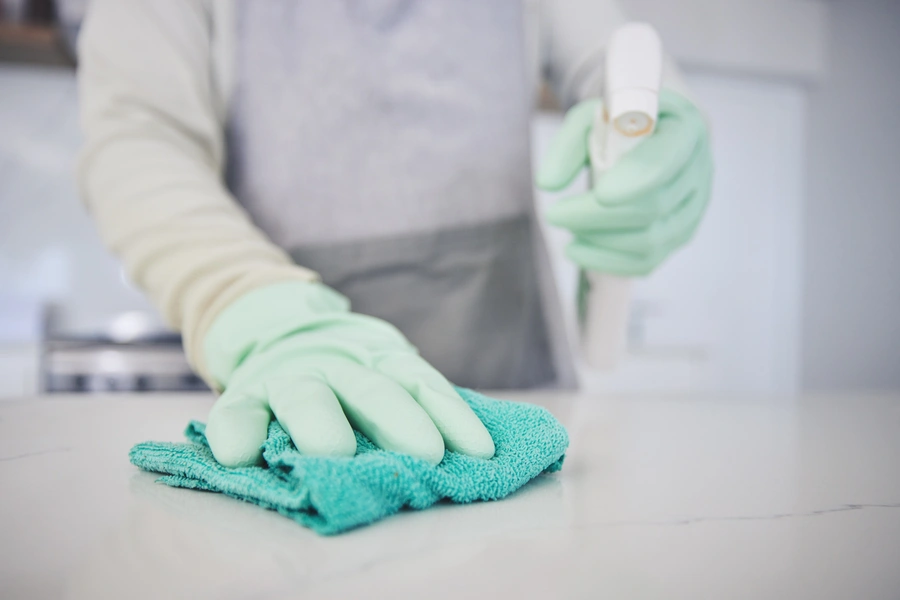
It also helps to know which areas need the most attention. Some spaces may look clean but still hold a lot of germs. A few common problem spots include:
- entry doors and handles
- front desks and counters
- break room tables and appliances
- restroom sinks and fixtures
- shared keyboards, phones, and tools
- elevator buttons and handrails
Step-by-Step Process
A clear system makes workplace cleaning more useful. Good sanitation services often follow a simple process that targets both visible dirt and hidden germs.
- Check the building’s high-use areas first.
- Remove trash, crumbs, dust, and surface debris.
- Clean surfaces with the right product for the material.
- Disinfect high-touch points after cleaning.
- Restock soap, paper goods, and hygiene supplies.
- Repeat service based on traffic and business hours.
This step-by-step approach matters because disinfectant works best on a surface that has already been cleaned. If a table is sticky or dusty, germs may stay behind even after a spray is used. That is why routine service is more than a quick wipe-down.
Common Mistakes to Avoid
One common mistake is only cleaning when something looks dirty. Germs do not wait for a visible mess. Another mistake is skipping touchpoints that many people use without thinking, like copier buttons, fridge handles, and faucet levers. Some workplaces also use the wrong product for the job, which can leave areas unclean or damage surfaces over time.
It also hurts results when cleaning is done too rarely. A restroom cleaned once in a while may not be enough for a busy office. The same goes for break rooms where many people eat lunch and use shared items. A steady schedule is often better than a random deep clean every few weeks.
When Sanitation Services Make the Biggest Difference
sanitation services are especially helpful in places where many people share space, tools, or surfaces. Offices, medical spaces, schools, gyms, restaurants, and industrial sites all have daily contact points that need steady care. In these settings, routine disinfection supports health and can also help a business present a more professional image.
Think about a shared break room. One person opens the fridge, another uses the microwave, and several workers sit at the same table through the day. Without regular cleaning, those surfaces can collect food spills, fingerprints, and germs very fast. The same pattern happens in restrooms and reception areas.
Long-Term Benefits for Workers and Visitors
A cleaner workplace can support fewer sick days, better comfort, and improved focus. People often notice when a space smells fresh, looks tidy, and has stocked soap or paper towels. These small details shape how workers feel during the day and how visitors view the business.
Good sanitation services can also support indoor air quality by reducing dust and waste buildup. While sanitation is not the same as full air system work, cleaner surfaces and floors can still help lower the spread of particles through normal activity. Over time, that can make a workplace feel cleaner and easier to use.
When to Call a Professional
Some businesses can handle light daily wiping with in-house staff, but many need a more complete plan. A professional team is a smart choice when the building has heavy traffic, frequent illness concerns, strict cleaning needs, or too many shared spaces to manage well. It also helps when staff members are losing time on cleanup instead of doing their regular jobs.
Professional sanitation services can build a schedule based on the building’s real use. That may mean daily restroom care, several touchpoint cleanings each week, or special service after an illness outbreak. In Lancaster, PA, local businesses often benefit from a routine that matches the pace of their workplace instead of using a one-size-fits-all plan.
Final Recommendation
If your workplace has shared surfaces, restroom traffic, or busy common areas, regular sanitation services are a smart way to support cleaner daily operations. A simple plan that targets the right spaces at the right times can help reduce germs and make the building feel better for everyone inside. If you’d like help setting up service in your area, call us at (928) 239-5464. At Kingdom Kleaning & Maintenance LLC, we can talk through your building’s needs and help you find a practical cleaning plan. We proudly serve businesses throughout Lancaster, PA, and we are happy to help you get started.