
Simple Steps That Help Each Visit Go Smoothly
Getting a building ready for routine disinfection services is mostly about access, safety, and clear communication. Staff should remove clutter, secure private items, point out high-touch areas, and make sure rooms can be entered without delays. If your site in Lancaster, PA has a daily cleaning plan already, this prep step can fit into that routine and help the visit move faster and more smoothly.
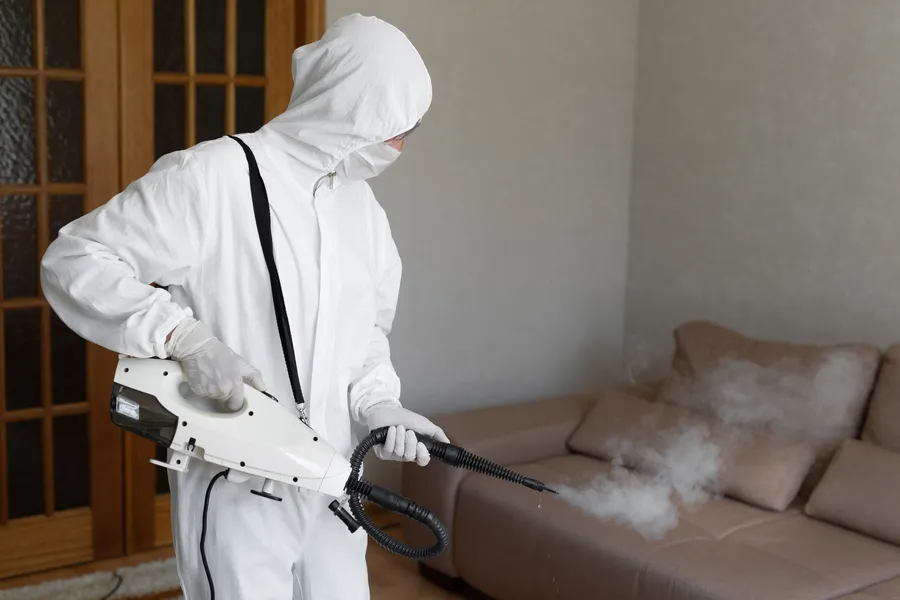
What You Need Before Starting
Before a team arrives, gather a few basic details. Start with the areas that need regular attention, like restrooms, break rooms, lobbies, desks, counters, door handles, and shared equipment. It also helps to know your building hours, room access rules, and any spaces that need special care. If you use other cleaning and sanitation support, share that schedule too so tasks do not overlap.
Make a simple plan for your staff. Let them know when the visit will happen, what rooms will be treated, and if any spaces need to stay empty for a short time. Good prep keeps people out of the way and helps avoid missed areas.

Step-by-Step Process
A simple checklist can make routine disinfection services easier for everyone. Use steps like these before each visit:
- Clear floors and walkways so crews can move safely.
- Put away loose papers, food, cups, and personal items.
- Empty trash if bins are full or overflowing.
- Unlock rooms or arrange access for key staff areas.
- Mark high-touch spots that need extra attention.
- Tell staff about the service time and any short wait periods.
- Keep pets, visitors, and nonessential traffic away from work zones.
- Share any health or safety rules for your facility.
If you manage a medical office, school, gym, or retail space, this list can be adjusted by room type. For example, a gym may need extra focus on machine handles, while an office may need more care around shared desks and copier stations.
Common Mistakes to Avoid
Many delays happen for simple reasons. One common issue is leaving too much clutter on desks, counters, and floors. Another is forgetting to tell staff that certain rooms need to stay open and easy to reach. Some facilities also assume every surface should be treated the same way, but different materials may need different products or methods.
Another mistake is skipping a simple walk-through. A quick check before the visit can catch blocked doors, stacked boxes, wet floors, or signs on rooms that say “do not enter.” These small things can slow down routine disinfection services and may leave high-use spaces untouched until the next visit.
When Routine Care Matters Most
Routine surface care matters most in busy buildings where many people touch the same things each day. That includes schools, daycares, clinics, office suites, apartment common areas, and stores. In these places, a regular plan can help reduce buildup on shared surfaces and keep the space cleaner from day to day.
Watch for early signs that your current routine may need help:
- Finger marks on doors and glass soon after cleaning
- Busy restrooms that never seem fully fresh
- Shared break rooms with frequent spills and crumbs
- Front desks and counters used by many visitors
- Complaints about missed high-touch areas
When these signs keep showing up, better prep and a steady service schedule can make a big difference.
Best Practices for Long-Term Results
Good results come from staying consistent. Use a written checklist for each visit. Update it when your layout changes, new staff move in, or traffic patterns shift. Keep supply rooms easy to access if your provider needs water, trash access, or entry to service corridors. If some zones are used more during certain times of year, adjust your plan around that pattern.
It also helps to divide your building into priority levels. High-touch and high-traffic areas should be easy to spot on your map or task sheet. Lower-use rooms can still be included, but they may not need the same level of attention every time. This saves time and keeps the focus where it matters most.
What Not to Do
Do not wait until the last minute to tidy work areas. Do not leave sensitive items, open food, or important papers out in the open. Do not block sinks, storage rooms, or entry points with boxes or carts. It is also a bad idea to change room access rules without telling the service team ahead of time.
Avoid mixing too many separate cleaning steps at once. If your janitorial crew, maintenance staff, and outside service team all work at the same time in the same rooms, people can get in each other’s way. A simple schedule often works better than trying to do everything at once.
When to Schedule Professional Help
Professional help makes sense when your building has heavy daily traffic, strict health rules, or many shared spaces. It also helps after illness concerns, during busy seasons, or when your in-house team cannot keep up with touchpoint cleaning. A provider can also help if you are setting up a routine plan for a new facility and want a clear process from the start.
If your staff keeps missing the same problem areas, or if complaints continue even after regular cleaning, it may be time to adjust your setup before the next round of routine disinfection services. Better prep often leads to better coverage, fewer delays, and a more reliable result.
Final Recommendation
For facilities in Lancaster, PA, we can help set up a simple plan that fits your space and schedule. At Kingdom Kleaning & Maintenance LLC, we focus on clear service steps and practical support for routine disinfection services. Call us at (928) 239-5464 to talk with our team about the best next steps for your building.