
Why Regular Cleaning Routines Help Facilities Stay Safer and Work Better
Routine sanitation helps facilities stay clean, safer, and easier to manage each day. It lowers the spread of germs, cuts bad odors, supports worker health, and helps visitors feel more at ease. In busy buildings, dirt and bacteria build up fast on floors, restrooms, break rooms, and shared surfaces. A steady plan works better than waiting until there is a visible mess or a health complaint.
Why Prevention Matters
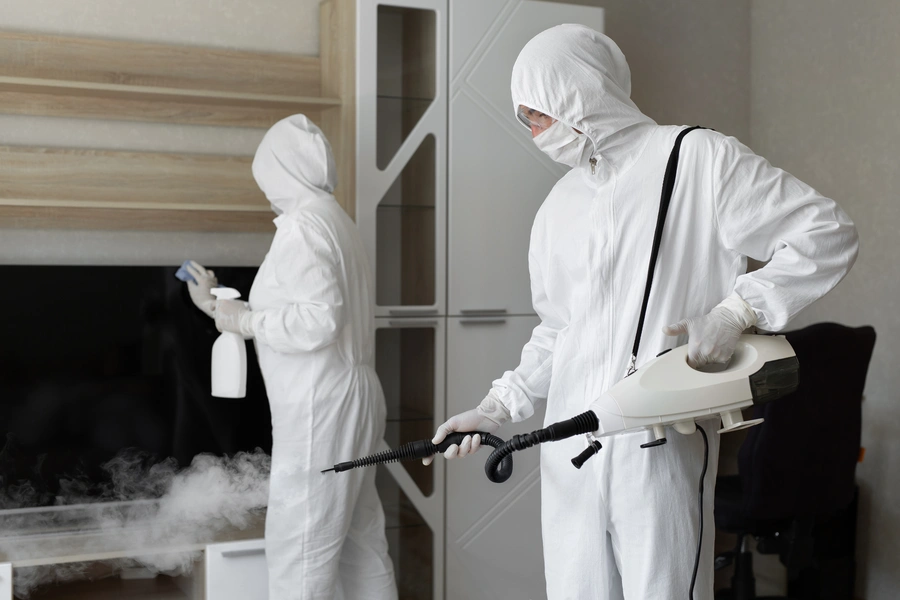
Prevention saves time and reduces bigger problems later. When a facility follows a routine sanitation plan, staff can deal with germs, spills, and trash before they spread. This matters in offices, schools, medical spaces, warehouses, and retail stores. Even a clean-looking room may hold bacteria on door handles, counters, light switches, and shared tools. Regular sanitation services help lower that risk and support a healthier space for workers and guests.
Routine care also helps the building itself. Dirt can wear down floors. Moisture can lead to stains and mold growth. Overflowing trash can attract pests. Small issues often turn into larger cleanup jobs when no one handles them early. A simple schedule helps stop that cycle.
Early Warning Signs
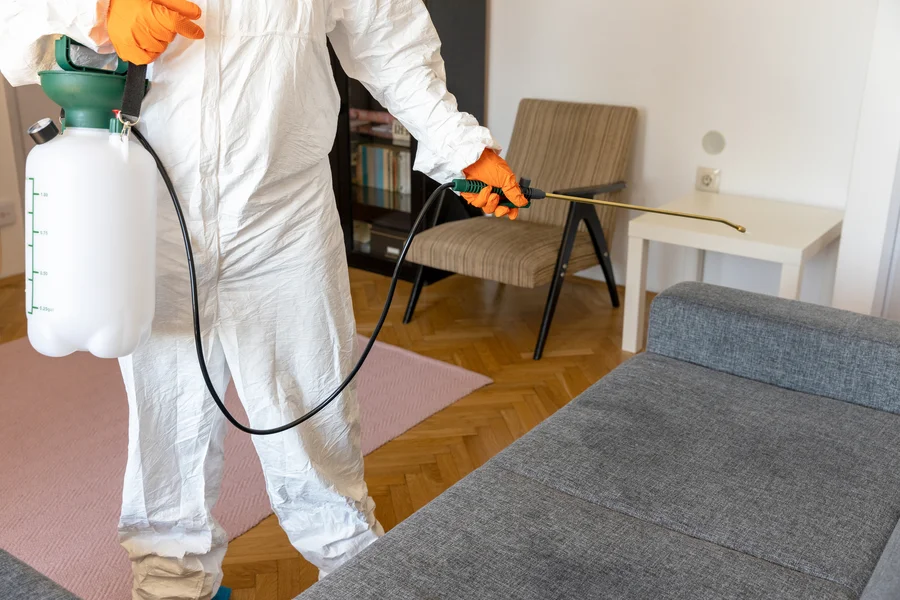
Many facilities show signs of trouble before a major sanitation issue appears. Paying attention to these clues can help managers act fast. A building does not need to look filthy to need help. In many cases, the warning signs start small and grow over time.
- restrooms run out of supplies too often
- trash bins fill up before the end of the day
- floors stay sticky or dusty
- bad smells return soon after cleaning
- employees report more colds or stomach bugs
- smudges build up on glass, doors, and touchpoints
- break rooms collect crumbs, spills, and food waste
If these signs keep showing up, the current routine may be too light for the building’s daily traffic. That is often when sanitation services become a smart next step.
Seasonal or Routine Checklist
A strong sanitation plan is easier to follow when tasks are broken into daily, weekly, and monthly work. This keeps spaces from falling behind. It also helps staff know what needs attention and when.
- clean and disinfect high-touch surfaces each day
- empty trash and replace liners on a set schedule
- restock soap, paper towels, and tissue before supplies run low
- sweep and mop entryways, halls, and common areas
- sanitize restrooms and break rooms every day
- deep clean floors, baseboards, and hard-to-reach spots each week
- check for moisture, stains, or mildew each month
- review traffic patterns during flu season or busy periods
Some facilities also need extra care during certain times of year. Wet weather can bring in mud and water. Cold and flu season can raise the need for disinfecting shared surfaces. Event spaces may need more frequent service before and after busy gatherings. A flexible plan works best.
Best Practices for Long-Term Results
Good sanitation is not only about cleaning more often. It is also about cleaning the right areas in the right way. Focus first on places people touch and share. These include door handles, elevator buttons, desks, faucets, appliance handles, and tables. Restrooms and food areas need special attention because germs spread fast there.
It also helps to use clear checklists and tracking logs. When tasks are assigned and checked off, it is easier to spot missed areas. Staff training matters too. People should know which products are for disinfecting, which are for general cleaning, and how long each product should stay on a surface to work well.
Another smart step is matching the schedule to the building. A small office may need lighter service than a daycare, clinic, or factory break room. There is no one plan for every property. The right sanitation services schedule depends on foot traffic, shared equipment, hours of use, and the type of facility category in the building.
What Not to Do
Some common habits can weaken sanitation results. One mistake is cleaning only when something looks dirty. Germs are often invisible. Another mistake is using the same cloth or mop in too many areas, especially from restrooms to kitchens or break rooms. That can spread bacteria instead of removing it.
It is also a problem when supply checks happen too late. Empty soap dispensers or missing paper towels make it harder for people to keep their own hands clean. Rushing through high-touch areas is another issue. A quick wipe is not always enough if the product needs more contact time to kill germs.
Skipping deep cleaning is another risk. Daily wiping helps, but buildup still forms in corners, vents, grout lines, and under furniture. Over time, those hidden areas can affect air quality, smells, and the overall condition of the space.
When to Schedule Professional Help
Professional help makes sense when daily cleaning is no longer enough for the building’s needs. This can happen after illness outbreaks, heavy traffic periods, special events, tenant turnover, or repeated complaints about odors or restrooms. It also helps when in-house teams are short on time, tools, or training.
Professional sanitation services can bring structure to the process. They can target problem zones, create a routine plan, and help keep standards steady across the facility. That support may be helpful for offices, schools, clinics, retail stores, apartment common areas, and industrial sites. A regular plan often costs less time and stress than catching up after problems build up.
Final Recommendation
At Kingdom Kleaning & Maintenance LLC, we help facilities create practical sanitation routines that fit daily use and building needs. If your property in Lancaster, PA needs more steady care, call us at (928) 239-5464. We can help you set up sanitation services that support a cleaner, healthier space.